Shellfish / Urchin
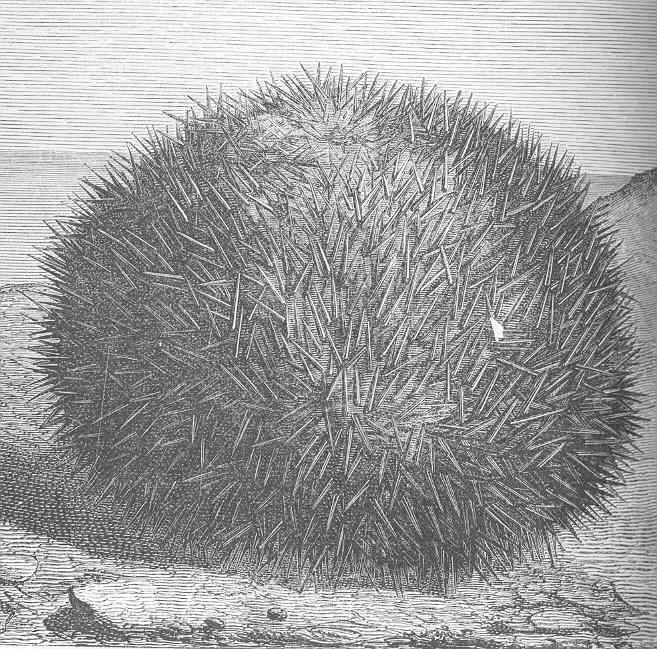
Shellfish: Urchin
Oregon Red Urchin
Mesocentrotus franciscanus
In window now~119d left
Open
Year-round
Best
Nov–Feb
spent
Apr–Jun
Gonad/uni fills as the animal stores energy from drift kelp through cooling water, fullest in winter, then broadcast-spawns in spring, leaving watery brown roe.
signal · Water temp, gonad (roe) index, kelp/drift availability, dive-fishery landings. (modeled)
Plate No. 030 · Finley & Bohlman
Managed, mind the rules
A real dive fishery. Take the roe-full ones in the cold months and leave the thin, spawned-out summer animals to rebuild.
The read
The big red urchin of the rocky reefs, pried from crevices at low tide for uni, its rich golden roe. Takeable year-round, but the roe is fullest in the cold months and thin and spawned-out through summer.
The event: A deep minus tide on rocky reef or jetty, or a dive.
Field notes
Catching it
Low rocky reef and jetty faces exposed on a deep minus tide, or subtidal by dive. Look for the big red-to-burgundy urchins wedged in crevices and pry gently with a gloved hand or tool. The roe is fullest in the cold months; skip the thin, spawned-out summer animals.
Judging quality
It's all about the roe, and fill tracks the cold months. A good urchin is heavy for its size with spines still moving; slack, light, or balding urchins are spent. Crack one at the mouth before you fill a bag: full lobes are firm, plump, and deep gold-orange, while thin, watery, grayish, or bitter lobes mean it's spawned out (summer) or stressed. Fewer, fuller urchins beat a bucket of empties every time. The roe is fattest Dec–Mar.
ID & lookalikes
Bigger and redder than the small purple urchin (Strongylocentrotus purpuratus). The red is the one prized for uni. Work the spines with gloves.
Licensing
Oregon shellfish license (age 12+). Confirm the current ODFW daily limit for sea urchins before you go.
Catch rules
Take by hand from the rocky intertidal, jetties, or by diving the reef. Mind the daily limit and confirm the area is open with ODA before you gather.
Preparation
It's all about the uni: the five golden-orange gonad lobes. Snip the shell open around the mouth (the 'Aristotle's lantern') with shears, lift the lobes out, and rinse gently in cold seawater. Eat it raw the day you gather it: over rice with a little soy and yuzu, or straight from the shell.
Where to find it
Stewardship
What we watch: live feeds
Sources
What informs Oregon Red Urchin in particular. The shared feeds it reads (tides, weather, water temp) are the live feeds above.
No sources keyed specifically to Oregon Red Urchin yet. See the shellfish sources →