Shellfish / Crab · Tracker
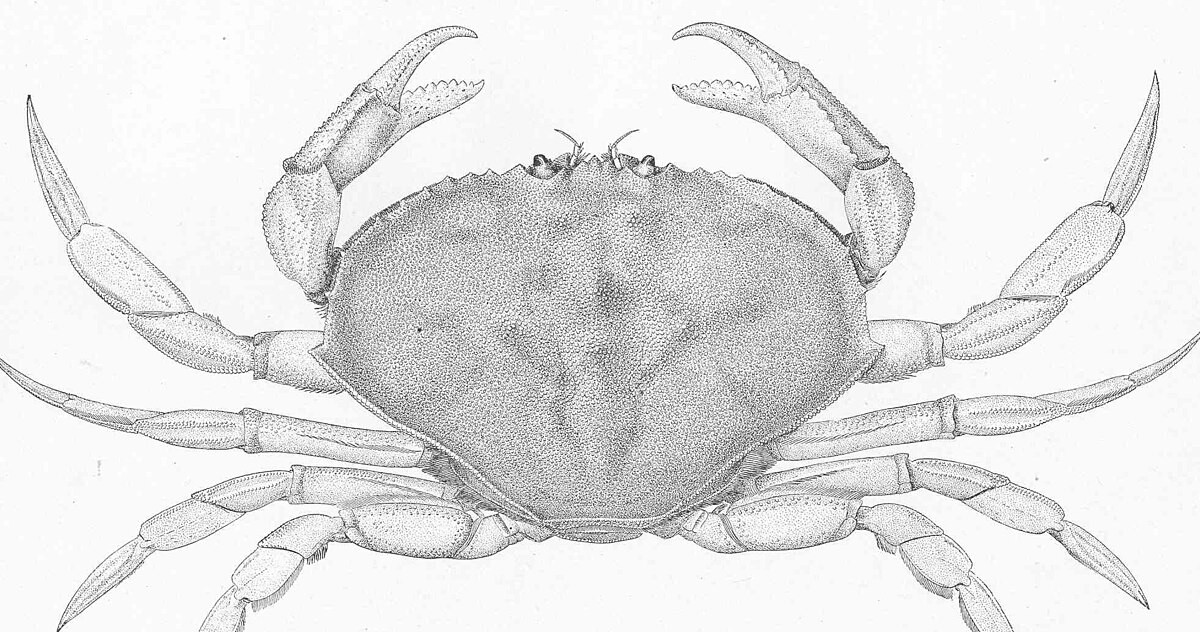
Dungeness Crab · the Oregon Coast
Dungeness Crab
Metacarcinus magister
Right now · October 5
Open, but soft-shell
The crab are mid-molt: soft shells, thin meat. It's legal to crab, but quality is poor until the new shells harden. Prime returns Dec–Feb.
Bays, piers & jetties
Open year-round
Open ocean
Open — closes Oct 16–Nov 30
Best
Dec–Feb
soft-shell
Aug–Oct
Cull
It's soft-shell season — most crab are freshly molted, light and watery. Keep only the heavy, hard-shelled ones; everything soft goes back. Press behind the last leg: a hard crab resists, a soft one gives.
Priority zones
Yaquina Bay→A single, modest river, so salinity holds. Crab stay in the bay and stay full even through rain. Oregon's self-styled crab capital, and our headline record.
Now at Yaquina Bay
Weather
60°F
Mostly clear · wind 13 mph
Water temp
56°F
50–60°F crabs best
Seas / safety
6.2 ft
No advisories in effect · wind 14 kt
Next tide
High 8:40 PM
next low 3:31 AM · 0.1′
Tide
When to go — crab feed on the slack
Crab now — you're on the slack.
At Yaquina Bay, the peak is the high slack: the incoming carries the saltiest, cleanest water and the crab up the bay. Fish the last of the flood into it, along the channel edge.
Low-water windows ahead. Pick a day
Live · NOAA CO-OPS 9435380 · NDBC 46050 · Open-Meteo. Crab feed best around slack and low water.
Availability & Seasonality
Recreational · bays, piers & jetties
Open year-round
Recreational · open ocean
Closed Oct 16–Nov 30
Commercial · ocean
Dec 1 – Aug 14 · opener slips on meat-fill / domoic
Meat recovery fills after the late-summer/early-fall molt; hard-shell yield peaks in cold water once the new shell mineralizes.
signal · Tri-state pre-season meat-recovery % (23% pick-out threshold), nearshore water temp, ODFW season alerts, monthly landings. (sourced)
Why the wait
Crab molt in late summer and early fall — soft shells, watery meat. The meat fills over the next two to three months, so a crab is worth its weight only once the new shell hardens through the cold months.
Recreational
Bays and estuaries stay open year-round — crab any day. Only the ocean closes, roughly Oct 16–Nov 30, reopening near Dec 1. Twelve male crab a day, 5¾″ across the back.
Commercial
Targets a Dec 1 opener, but holds until pre-season testing shows the meat has filled — 23% recovery north of Cascade Head, 24% south — and domoic acid has cleared. 429 limited-entry permits.
We like to wait until they're ready with the best possible meat fill before we open up the season.
Meat-recovery standard: Tri-State pre-season protocol (PSMFC). Biotoxin action levels: 30 ppm domoic acid in viscera / 20 ppm in meat (ODA). Cited
Field notes
Catching it
Fish a slack or low tide, and after the fall molt fills out (meat fullness peaks late fall–winter). Set pots or rings on the bottom near the channel in Yaquina, Tillamook, Nehalem, or Netarts; bait with chicken, mackerel, or shad. Higher-salinity water on the incoming tide crabs best.
Judging quality
Meat fill is everything, and it swings with the molt. Late-summer through early fall the bay is full of fresh softs: newly molted crab that are watery and light. Cull for the hard-shell holdovers, most reliable tell first: heft (a full crab is heavy for its size; an empty feels hollow), squeeze (press the shell or the back of a leg: hard gives nothing, a soft 'papershell' flexes), shell wear (old hard shells look scuffed, dark, often barnacled; the ugly crab is the good one; a fresh molt is clean and bright), and the belly plate (firm and yellow-stained when full, white and pliable when fresh). Keep the heavy, hard, beat-up legal males; release the clean light ones. The ratio of hardshells climbs through fall to the winter peak.
Molt & fill
Dungeness live and die by the molt. Males shed their shells to grow, mostly late summer into fall (roughly Aug–Oct on the Oregon coast). A freshly molted crab is soft-shelled, watery, and light. Poor eating. Over the following weeks the new shell hardens and the crab pumps it full of meat, peaking in winter. That's the whole reason a September crab and a December crab from the same pot are worlds apart: fill climbs from ~15–20% of shell weight just after molt to 25%+ when prime.
Tides
Crab move and feed on the tide change; the bite is best around slack and low water, when the current eases and crab come up off the bottom to forage. Fish the last of the incoming and the slack at the top; incoming water is saltier and cleaner, and crab follow it up the bay. Big spring tides run hard and drag gear; smaller neap tides are easier to fish. Set pots along the channel edge and let them soak through the change.
Water temperature
Crab feed hardest with bay water in the ~50–60°F range and go sluggish when it drops into the mid-40s in deep winter. Warm late-summer water means active crab, but that's molt season, so active doesn't mean full. A mild spell in December that holds the bay in the low 50s is prime.
Salinity
The sleeper factor. Dungeness want salty water; heavy rain and river flow drop bay salinity and push crab toward the mouth or out to the ocean, killing the bite in the upper bay. Big-river bays (Tillamook's five rivers, the Alsea) blow out fast after storms. After a big rain, fish the lower bay and the incoming tide, where the clean salt wedge sits.
Area weather
Read the forecast two ways: safety and salinity. A calm, dry high-pressure spell in winter is ideal: flat water to fish and no freshwater flush. A big storm means dangerous bar and jetty conditions and a rain-blown bay for days after. The best December days are the calm windows between fronts.
ID & lookalikes
Not red rock crab (legal year-round, black claw tips, no size/sex limit) and definitely not the invasive European green crab (five spines beside each eye; kill it, don't return it, and report to ODFW).
Licensing
Oregon shellfish license required (age 12+, ~$10/yr). Confirm current ODFW rules for dock vs. boat.
Catch rules
Males only, minimum 5¾″ across the shell (just in front of the spines); 12/day. Return females and softshells. Recreational crabbing is open year-round in the bays and estuaries; the ocean is closed to all crabbing Oct 16–Nov 30. (The December commercial opener is a separate fishery, not your season.) Confirm the bay is open with ODFW before you head out.
Commercial vs recreational
Two separate fisheries, often confused. Recreational: bays and estuaries are open year-round; the ocean has a fall closure and reopens around Dec 1 (confirm current dates with ODFW); your limit is 12 male crab a day at 5¾″. Commercial: a large ocean fishery opening near Dec 1 (delayed some years pending meat-quality testing), worked with hundreds of pots per boat. It's what stocks the market. The commercial opener does not gate your bay crabbing; you can crab the bay any day of the year.
Preparation
Cook live in heavily salted boiling water 12–15 min, or clean-and-cook (back off, gut out) for sweeter, less briny meat. Ice immediately. So sweet it needs only drawn butter and lemon.
The Kit
what a forager carriesSome links are affiliate links; buying through them supports the almanac at no cost to you. Beloved local makers are listed without links — recommendations, not sales.